

Program Overview
Biochemistry & Molecular Biology
Explore the chemistry of life through faculty-mentored research, advanced laboratory experiences, and an interdisciplinary curriculum that prepares you for graduate study, healthcare professions, biotechnology, and scientific discovery.

ASBMB Accredited
One of a select group of undergraduate programs nationally accredited by the American Society for Biochemistry and Molecular Biology.

Research Begins Early
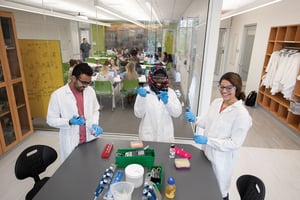
Develop research skills through laboratory courses, faculty-mentored projects, and a year-long Independent Study.

State-of-the-Art Laboratories
Conduct research using modern instrumentation in the Ruth W. Williams Hall of Life Science and Severance Hall.
Learn science by doing science.
Research is woven throughout the Biochemistry & Molecular Biology experience.
Students benefit from:
.svg)
Faculty-mentored research beginning early in their academic careers.
Modern teaching and research laboratories designed specifically for undergraduate science.
Research-based laboratory courses using contemporary molecular biology and protein biochemistry techniques.
Study in Ruth W. Williams Hall, featuring collaborative research laboratories, a greenhouse, vivarium, aquatics suite, dedicated student research spaces, and state-of-the-art scientific equipment.
Opportunities to conduct Independent Study with faculty from both the Biology and Chemistry departments.
Summer research experiences and internships on campus and at universities, biotechnology companies, healthcare organizations, and research institutions, with support from faculty mentors and APEX Career Planning.
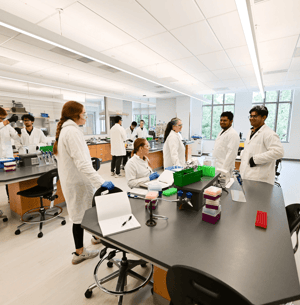
Faculty research has been supported by organizations including the National Science Foundation, the Howard Hughes Medical Institute, and the U.S. Department of Agriculture, creating opportunities for students to contribute to meaningful scientific discovery.

Nationally Recognized Undergraduate Research

Discover something new.
Independent Study is the cornerstone of a Wooster education, and Biochemistry & Molecular Biology students begin preparing for it during the spring of their junior year.
Working closely with a faculty mentor, students identify a research question, develop a formal proposal, and prepare for a year-long investigation. During senior year, they conduct original laboratory research, analyze data, present their findings to both scientific and general audiences, and complete a thesis based on their discoveries.
This close collaboration between student and faculty mentor provides an authentic research experience that prepares graduates for advanced study and scientific careers.
ASBMB Accreditation
Nationally recognized preparation for scientific careers.
The College of Wooster's Biochemistry & Molecular Biology program is accredited by the American Society for Biochemistry and Molecular Biology (ASBMB), placing it among a select group of undergraduate programs nationwide recognized for excellence in curriculum, laboratory training, undergraduate research, and student preparation.
Students benefit from:
A curriculum aligned with nationally recognized standards.
Extensive laboratory and research experience.
Development of communication, teamwork, ethical decision-making, and laboratory skills valued by graduate schools and employers.
The opportunity to complete the optional ASBMB degree certification exam, demonstrating mastery of core concepts and skills.
Research Facilities
Learn with the tools scientists use.
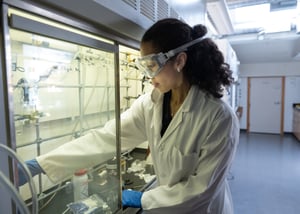
Biochemistry & Molecular Biology students conduct research in the Ruth W. Williams Hall of Life Science and Severance Hall, modern teaching and research facilities designed specifically for undergraduate science.
Students have access to professional-grade instrumentation used in academic and industry laboratories, including molecular biology equipment, advanced microscopy, chromatography systems, spectroscopy, PCR technologies, tissue culture facilities, robotics, and shared analytical instrumentation across the Biology and Chemistry departments.
Featured Equipment

PCR and digital PCR systems
High-performance liquid chromatography (HPLC)
Fast protein liquid chromatography (FPLC)
Mass spectrometry
400 MHz Nuclear Magnetic Resonance (NMR)
Confocal and fluorescence microscopy
Cell and tissue culture laboratories
Laboratory automation and research robotics
Career Opportunities
Where our graduates go.
A Biochemistry & Molecular Biology degree prepares graduates for advanced study and careers.
More than half of Wooster graduates continue their education through doctoral or professional programs. Recent graduates have pursued Ph.D. degrees at institutions including Stanford University, Johns Hopkins University, the University of Michigan, and UT Southwestern, while others have continued to medical, dental, pharmacy, and veterinary schools, including Case Western Reserve University, The Ohio State University, and the University of Cincinnati.
Graduates build careers in biotechnology, biomedical research, pharmaceutical research and development, healthcare, academic research laboratories, public health, and science education.

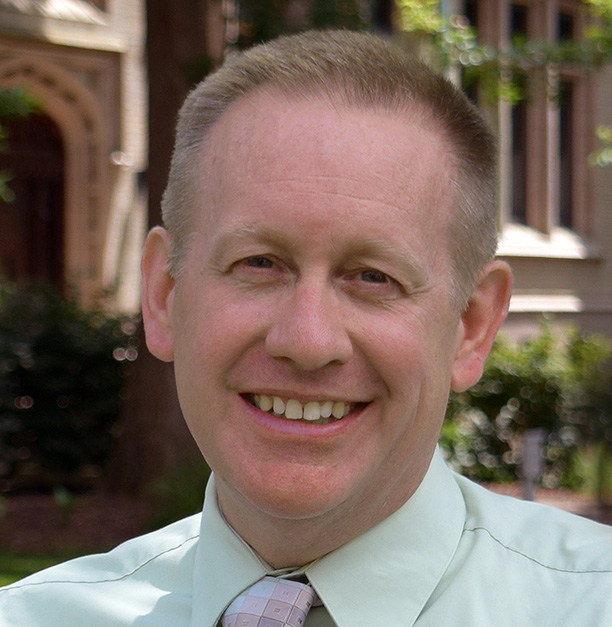
Paul L. Edmiston
Theron L. Peterson and Dorothy R. Peterson Professor of Chemistry; Department Chair of Chemistry; Biochemistry and Molecular Biology
pedmiston@wooster.edu
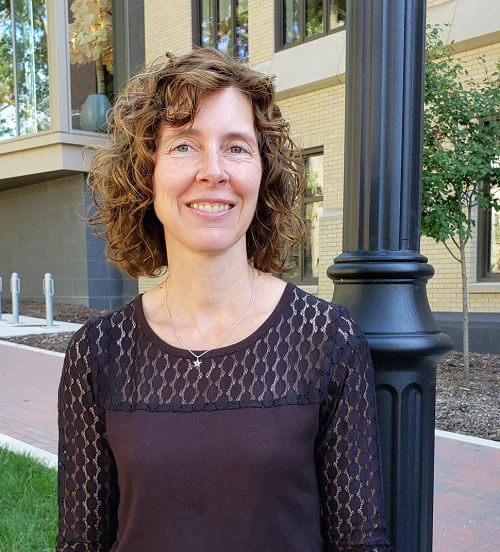
Stephanie Strand
Associate Professor of Biology; Biochemistry and Molecular Biology
sstrand@wooster.edu

Dean Fraga
Affiliated Scholar and Professor Emeritus of Biochemistry & Molecular Biology; Biology
dfraga@wooster.edu

Sara E. S. Martin
Associate Professor of Chemistry; Biochemistry and Molecular Biology
samartin@wooster.edu
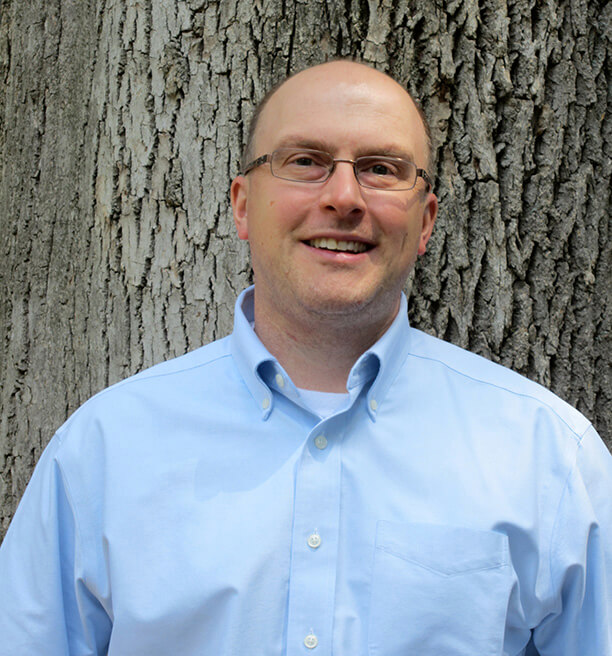
James West
Professor of Biochemistry and Molecular Biology; Biology; Chemistry (On leave 2026-2027)
jwest@wooster.edu
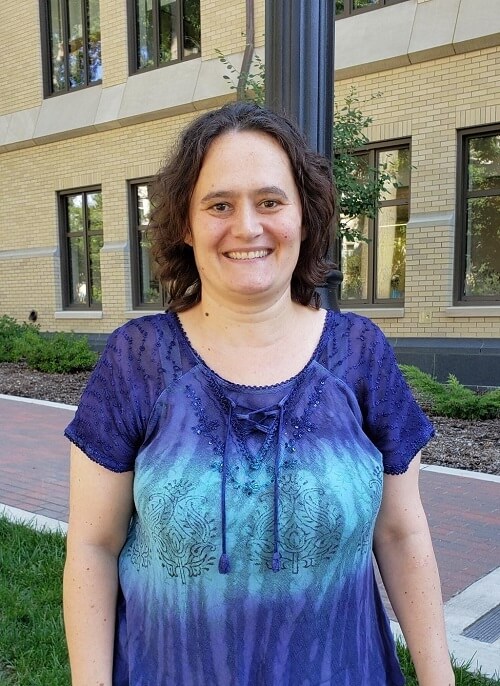
Erzsebet Regan
Whitmore-Williams Associate Professor of Biochemistry and Molecular Biology
eregan@wooster.edu
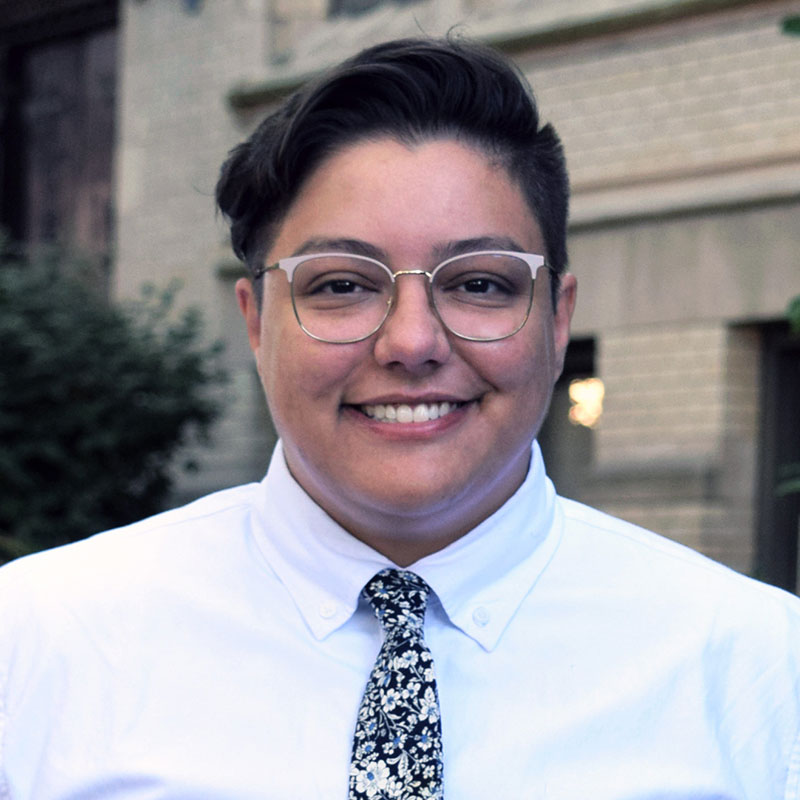
Stas Gallo
Assistant Professor of Chemistry
agallo@wooster.edu
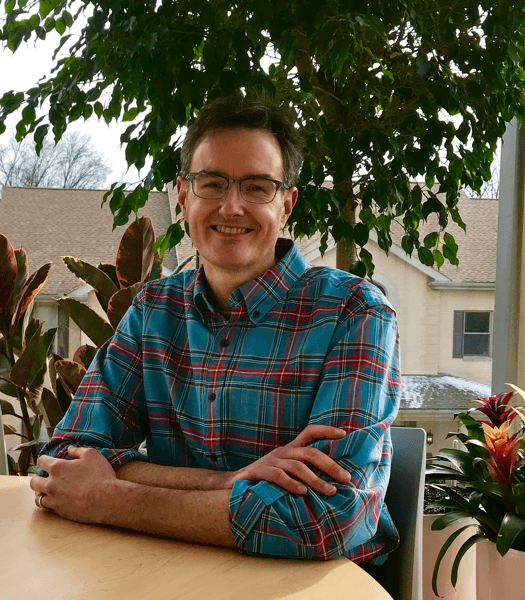
Mark J. Snider
The Robert E. Wilson Professor of Chemistry Chair, Biochemistry & Molecular Biology Program
msnider@wooster.edu