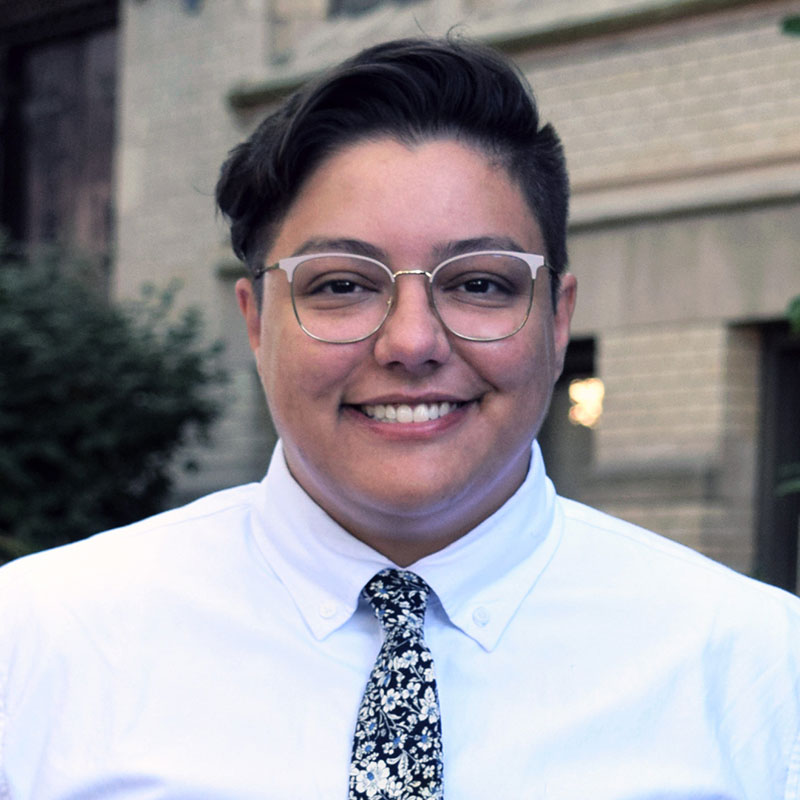
Annastassia Gallo
Degrees B.A., Arcadia University, 2013, Chemistry, (mathematics-minor) Arcadia University, Glenside, PA Ph.D. Temple University, Chemistry with Ann M. Valentine Dissertation: Homeostasis and trafficking of […]

Degrees B.A., Arcadia University, 2013, Chemistry, (mathematics-minor) Arcadia University, Glenside, PA Ph.D. Temple University, Chemistry with Ann M. Valentine Dissertation: Homeostasis and trafficking of […]
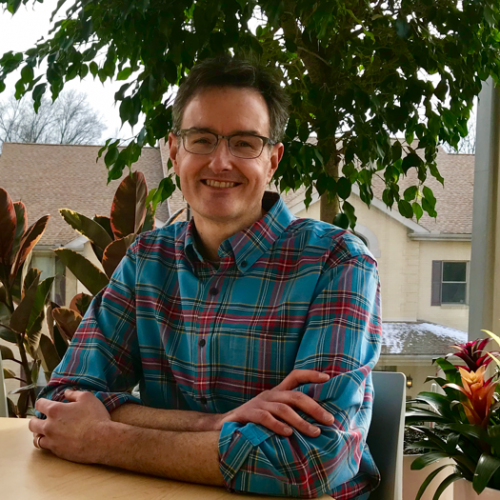
The recipient of many grants to aid the study of topics within organic chemistry and biochemistry, Snider researches how aerobic nicotinic acid (Vitamin B3) is broken down, works to determine the genes and mechanisms of degradation of antidepressants by bacteria in the environment, and studies the structure and functional characterization of novel phosphagen kinases.

Working with students and leveraging techniques at the interface of chemistry and biology to better understand the enzymes that help to build bacterial cell walls, Martin works to solve the problem of bacterial resistance to antibiotics, which has become a global health crisis that may one day lead to a “post antibiotic era” where existing antibiotics may not be capable of halting even minor infections.
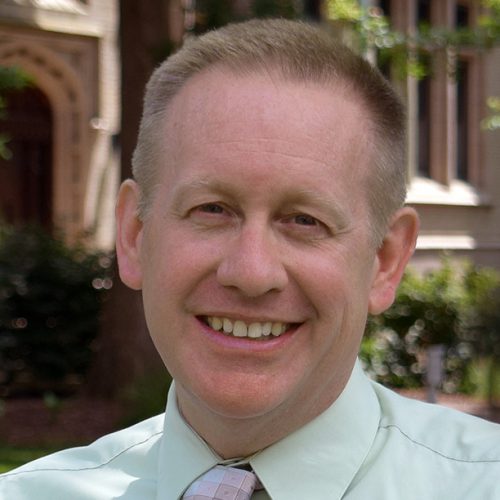
Known for his patented organosilica materials for water treatment, environmental remediation, and personal care, Edmiston researches advanced materials for water purification and the development of chemical sensors based on molecularly imprinted materials.

Mary began her service with the department of chemistry December 1, 2008, as the part-time secretary. She assumed the role of administrative coordinator, January […]

Interested in conservational biology, Williams studies evolutionary adaptation and physiological acclimation at the population level in Brown bullhead (Ameiurus nebulosus) fish inhabiting polluted and clean regions and uses field expertise and molecular techniques to identify population level differences between clean and polluted site fish.
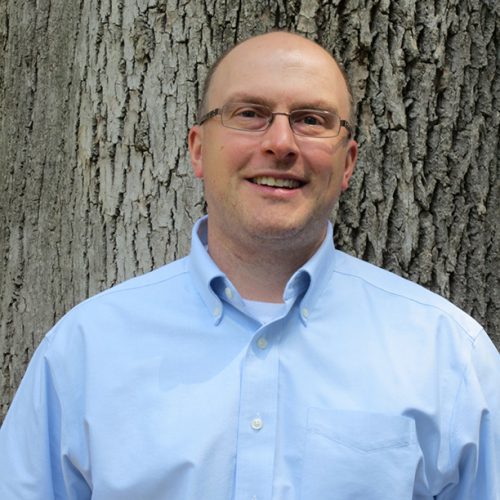
Studying DNA damage and its link to cancer, neurodegenerative disease, and cardiovascular disease, West’s research utilizes baker’s yeast and mammalian cells to define more clearly how organisms sense and respond to protein-damaging molecules.
Focusing on H. capsulatum, a species of fungus, Strand studies the identification of proteins involved in signal transduction pathways required for H. capsulatum to sense and respond to changes in environmental conditions and the characterization of the distribution of H. capsulatum in the soil of the Ohio-Mississippi River Valley.
Interested in biological systems, Regan works to uncover the principles of coordination between cellular phenotypes at multiple scales of organization and build predictive models of this coordination in health and disease with the ultimate goal of studying aging, cancer progression, and stem cell differentiation and reprogramming.
Fraga works with students to study how proteins can be used to help address societal and economic problems including, environmental clean-up or the industrial synthesis of valuable compounds.