

Two Wooster biochemistry and molecular biology professors earn six-figure research grants from the National Institutes of Health
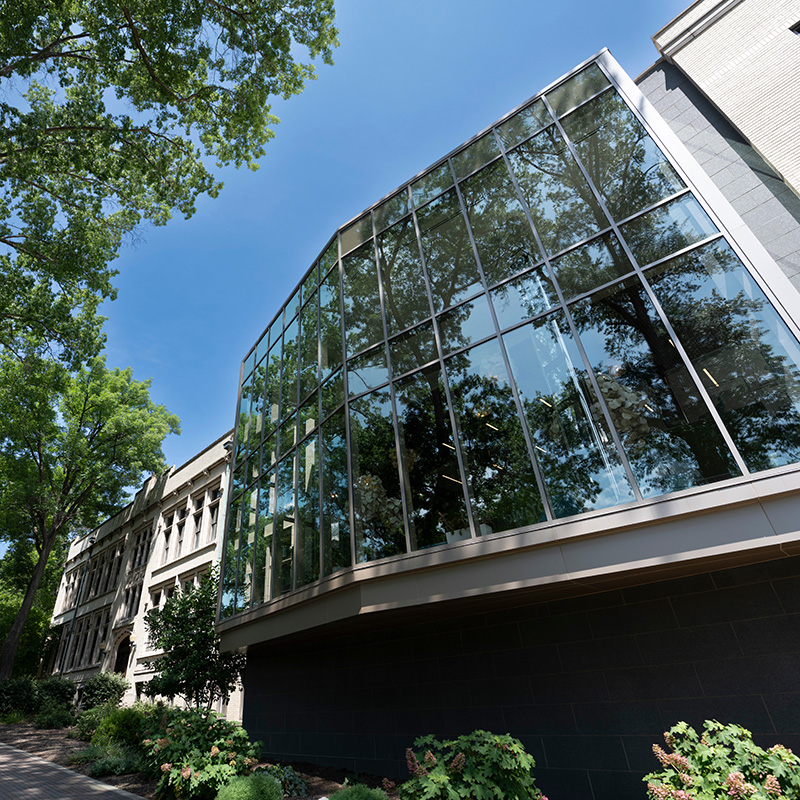
Two science professors at The College of Wooster were each awarded three-year research grants from the National Institutes of Health (NIH). James West, professor of biochemistry and molecular biology, biology, and chemistry, and Erzsébet Regan, Whitmore-Williams Associate Professor of Biochemistry and Molecular Biology, serve as principal investigators and will use their $316,797 and $482,620 respective grants to fund unique research projects on campus. The NIH funding also provides many more opportunities for students to gain valuable experience in the professors’ labs.
West has been studying thioredoxin and thioredoxin reductase, two enzymes that work together to protect cells against oxidative stress, for about 15 years. His NIH grant will lead to a better understanding of the fundamental biochemistry of thioredoxin reductase and may provide a new therapeutic avenue (or avenues) for treating microbial infections by exploiting the unique features of the microbial protein.
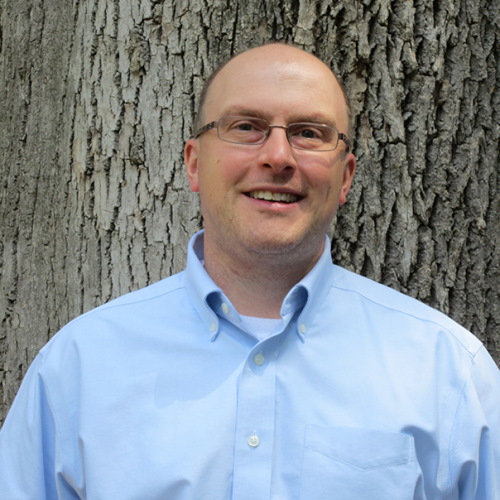
James West, professor of biochemistry and molecular biology, biology, and chemistry
“Identifying new properties of the microbial thioredoxin reductase could set the stage for developing drugs that exclusively block its function in the future,” said West. “The award will also provide meaningful opportunities for undergraduate students who have a long-term interest in biomedical research and health-related disciplines.”
West supported seven students on the grant during the 2025-26 academic year and three completed Independent Study projects closely aligned with it. In summer 2026, four students are working with him in the lab on related projects. They have started conducting different biochemical and cellular experiments to see whether thioredoxin reductase works with the new interaction partners they have identified.
“Long-term, the opportunities provided through the NIH grant and other internal programs at Wooster, like sophomore research and I.S., set students up for admission into top graduate and professional schools, as well as awards, scholarships, and fellowships as they move on from Wooster,” said West.
Regan and her students have been modeling both the Epithelial to Mesenchymal transition (EMT) and the process of senescence since almost 2015 when she started at Wooster. According to Regan, both EMT and senescence cell behaviors are relevant in tissue healing and appear to be mutually exclusive in a single cell, so a community of cells must coordinate their actions for proper healing.
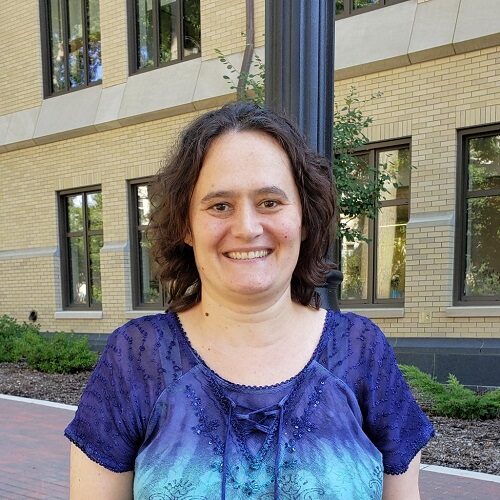
Erzsébet Regan, Whitmore-Williams Associate Professor of Biochemistry and Molecular Biology
“Receiving this NIH grant feels great, and it’s validation that my work is seen and appreciated,” said Regan. Getting experimental validation for the model is a major research goal for the grant, and her team will continue developing her lab’s code and performing massive comparisons between model behavior and published cell behavior data.
“Senescence is the fate of molecularly damaged cells by oxidative stress, toxins, ultraviolet exposure, etc., but they can help neighboring healthy cells heal the wound,” she explained. “However, if they are not cleared by our immune system, they age the tissue. Uncleared senescent cells accumulate in all our aging tissues, and we’re asking ‘why’ and ‘how can we prevent this’?”
A major reason Regan submitted this NIH proposal was to secure funding for a larger team of students and make sure she had the funds to bring them to present at the Systems Approaches to Cancer Biology conference in January 2027. “Several former students found positions in prestigious Ph.D. programs in part due to the contacts they made at conferences,” said Regan.
Two of her 2027 I.S. mentees are working off of the grant this summer modeling senescence and EMT in vascular patterning (which extends a model built by a former I.S. student). They will be leading teams with four sophomore researchers while Regan works with her software developer to write code that can automate the more tedious parts of comparing their model’s behaviors to published experimental data.
“Students are gaining skills that transfer to I.S., whether in my lab or a colleague’s,” said Regan. “They also gain exposure to the challenges of doing research which is inherently a much less predictable endeavor than classwork.”
Posted in Faculty, Homepage Featured, News on June 18, 2026.
Related Posts
Related Areas of Study
Chemistry
Access to labs, research opportunities, and small classes give chemistry majors lots of options after graduation.
Major MinorBiology
Explore molecular and cellular biology, ecology and more with top faculty and access to extensive lab facilities.
Major MinorBiochemistry & Molecular Biology
Biology and Chemistry combine in an interdisciplinary program for students with a passion for molecular events.
Major