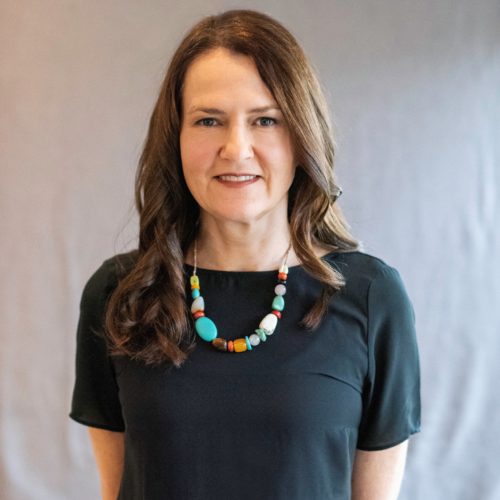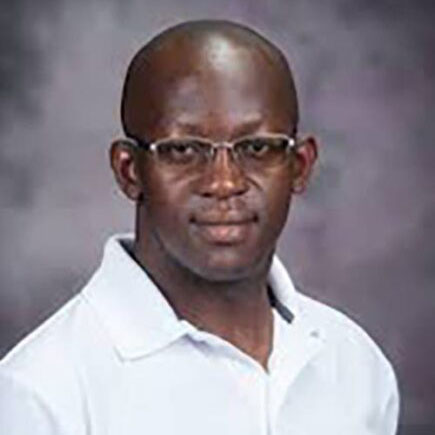
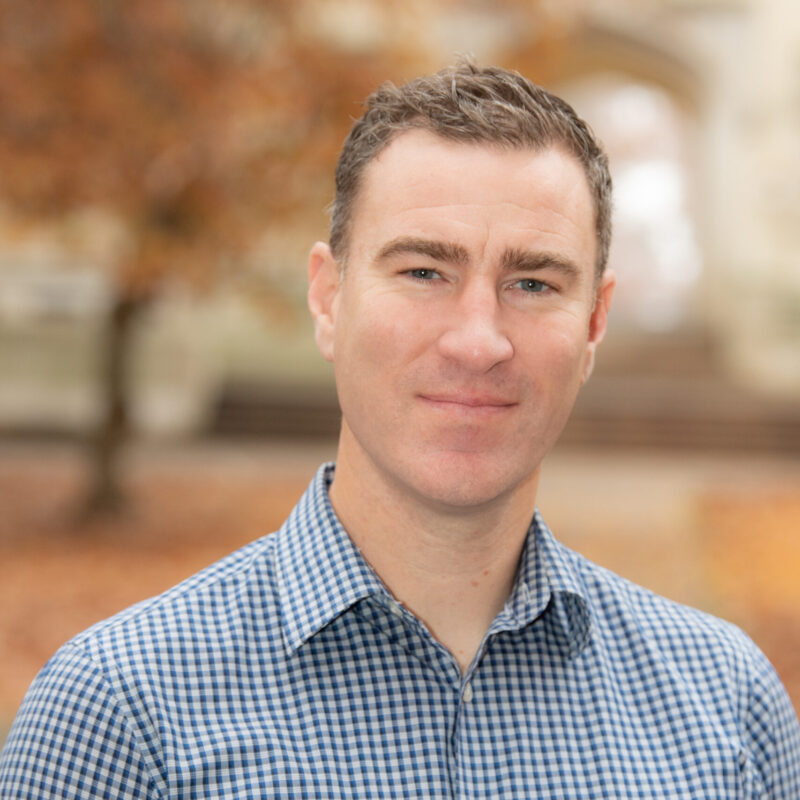
Brooke Krause head shot

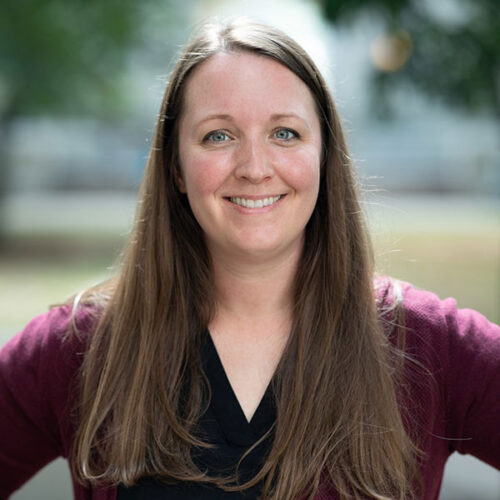
Brooke Krause

A development economist with expertise in gender, health, education, and poverty reduction in developing countries, Krause has published work on women’s empowerment, child health, and risk attitudes in Guatemala. Her research has led partnerships with several international organizations, including the United Nations Economic and World Vision.

Cara Hammond

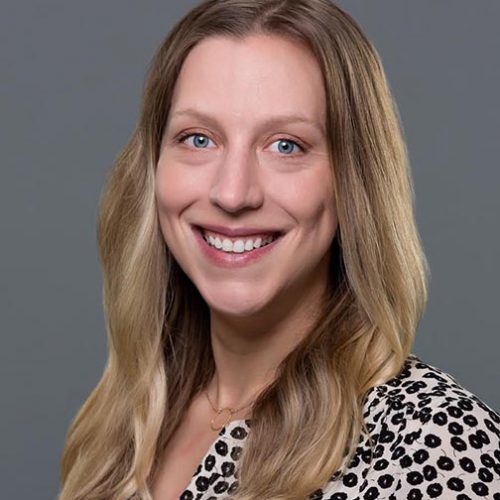
Cara Hammond

Degrees B.A., The College of Wooster 2006 M.A., University of Akron 2008

Joan Furey

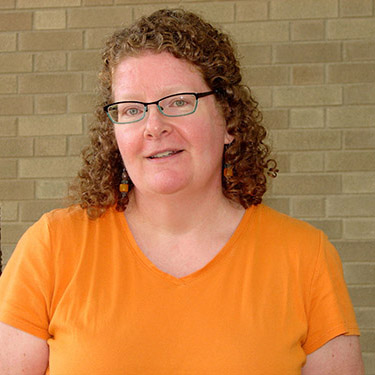
Joan E. Furey

Working as a speech-language pathologist, Fuery studies early phonological and lexical development and poverty’s impact on speech and language development.

John Siewert

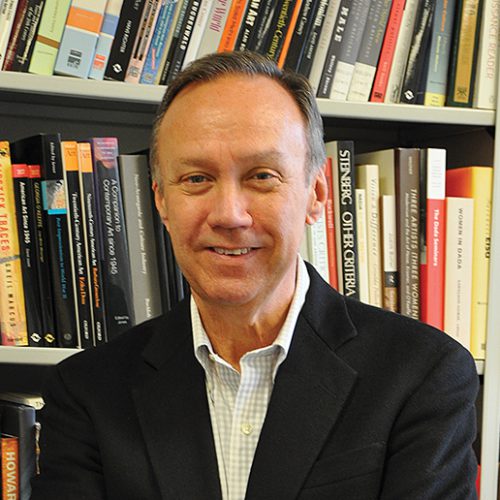
John Siewert

Siewert’s published work focuses on the work of the late-19th century artist James McNeill Whistler, but his research interests extend to the artistic exchange between America and Britain. He works with students in post-Renaissance and contemporary art history.

Bridget Murphy Milligan

Bridget Murphy Milligan

With teaching credentials in traditional, digital, and alternative photography as well as studio work in performative video and interactive installation, Murphy Milligan explores the relationship between photography and storytelling. She has been featured in over 100 exhibitions both in the United States and internationally.

Tracy Cosgriff

Tracy Cosgriff

A former Fulbright Scholar, Cosgriff is an expert of the Italian Renaissance with published work on painter Raphael and his critical engagement with the classical tradition. She also teaches courses on Northern Renaissance, Baroque, and Islamic art.

Kara Morrow

Kara Morrow

With a teaching and research focus on medieval and African art history, Morrow’s classes include opportunities for students to learn directly from objects in The College of Wooster Art Museum.

Sarah Sobeck

Sarah J. Sobeck (Schmidtke)

With research on the photochemistry of organic UV-absorbers and dyes, Sobeck primarily teaches introductory and physical chemistry courses.

Mark Snider

Mark J. Snider

The recipient of many grants to aid the study of topics within organic chemistry and biochemistry, Snider researches how aerobic nicotinic acid (Vitamin B3) is broken down, works to determine the genes and mechanisms of degradation of antidepressants by bacteria in the environment, and studies the structure and functional characterization of novel phosphagen kinases.

Sara Martin, assistant professor of chemistry at The College of Wooster

Sara E. S. Martin

Working with students and leveraging techniques at the interface of chemistry and biology to better understand the enzymes that help to build bacterial cell walls, Martin works to solve the problem of bacterial resistance to antibiotics, which has become a global health crisis that may one day lead to a “post antibiotic era” where existing antibiotics may not be capable of halting even minor infections.

Karl Feierabend

Karl J. Feierabend

A chemist with a research interests in photooxidation of multi-functional organic compounds relevant to atmospheric aerosols, he works with students in environmental and physical chemistry.

Jennifer Faust

Jennifer A. Faust

Faust works with students to research a combination of environmental, analytical, and physical chemistry to characterize the composition and reactivity of atmospheric systems.

Paul Edmiston

Paul L. Edmiston

Known for his patented organosilica materials for water treatment, environmental remediation, and personal care, Edmiston researches advanced materials for water purification and the development of chemical sensors based on molecularly imprinted materials.

Paul Bonvallet head shot

Paul A. Bonvallet

A professor of inorganic and organic chemistry, Bonvallet studies Supramolecular (many-molecular) chemistry and photochemistry (light chemistry), light-emitting organic compounds, and the formulation, response, and applications of swellable organically modified silica (SOMS).

Head shot of Rebecca Williams

Rebecca Williams

Interested in conservational biology, Williams studies evolutionary adaptation and physiological acclimation at the population level in Brown bullhead (Ameiurus nebulosus) fish inhabiting polluted and clean regions and uses field expertise and molecular techniques to identify population level differences between clean and polluted site fish.

James West

James West

Studying DNA damage and its link to cancer, neurodegenerative disease, and cardiovascular disease, West’s research utilizes baker’s yeast and mammalian cells to define more clearly how organisms sense and respond to protein-damaging molecules.

Stephanie Strand

Stephanie Strand

Focusing on H. capsulatum, a species of fungus, Strand studies the identification of proteins involved in signal transduction pathways required for H. capsulatum to sense and respond to changes in environmental conditions and the characterization of the distribution of H. capsulatum in the soil of the Ohio-Mississippi River Valley.

Erzsebet Regan

Erzsebet Regan

Interested in biological systems, Regan works to uncover the principles of coordination between cellular phenotypes at multiple scales of organization and build predictive models of this coordination in health and disease with the ultimate goal of studying aging, cancer progression, and stem cell differentiation and reprogramming.

Ferdinand Nanfack-Minkeu head shot

Ferdinand Nanfack Minkeu

As a biology research technician, Minkeu assists with independent studies in biology and intermediate French courses. He also specializes in mosquito-borne viruses and virology.

Jennifer Ison

Jennifer Ison

Working with students, Ison explores interests in ecology, conservation biology, and ecological genetics by studying how anthropogenic (i.e., human-induced) alterations to natural areas are impacting native plant populations.